Contact Us
Quisque sit amet nisl. Required agri notata *

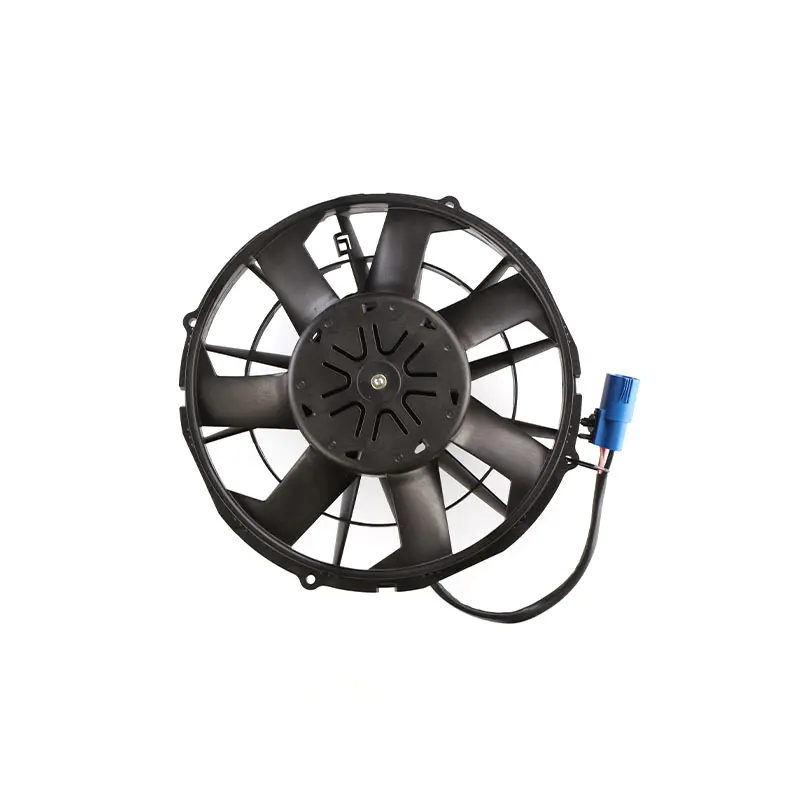
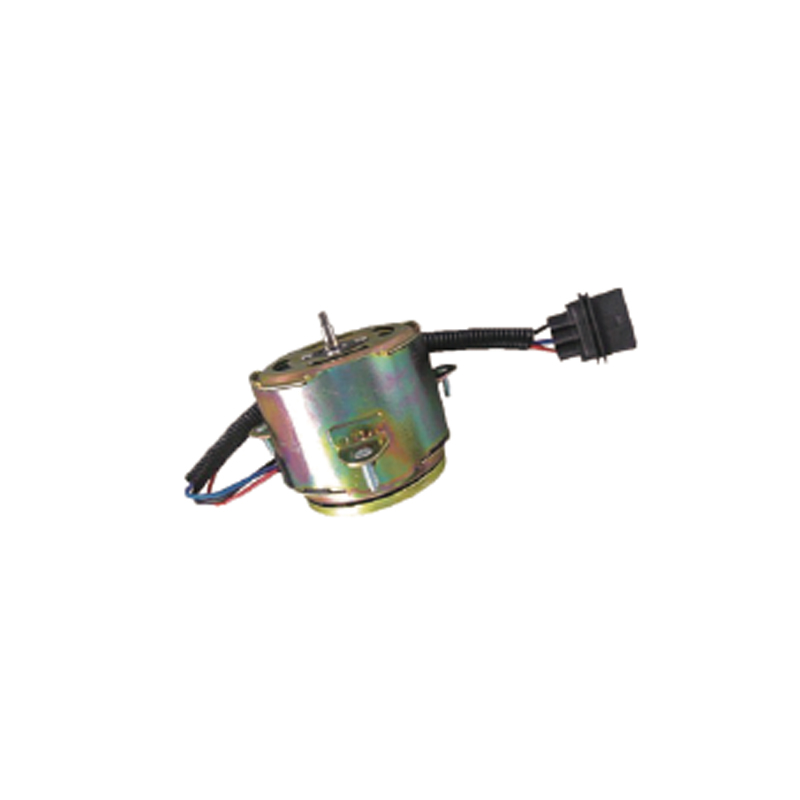
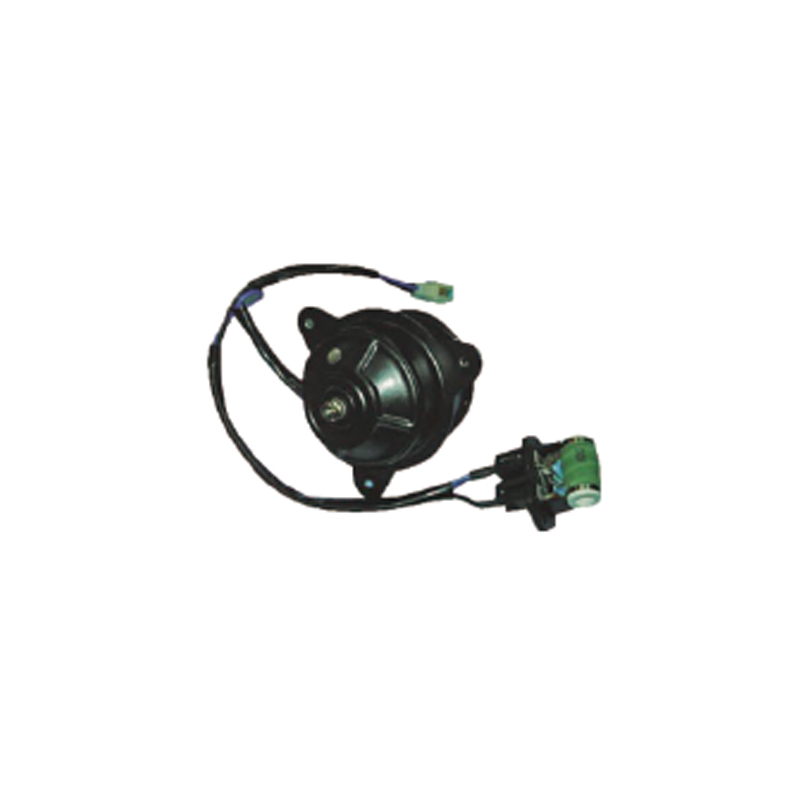
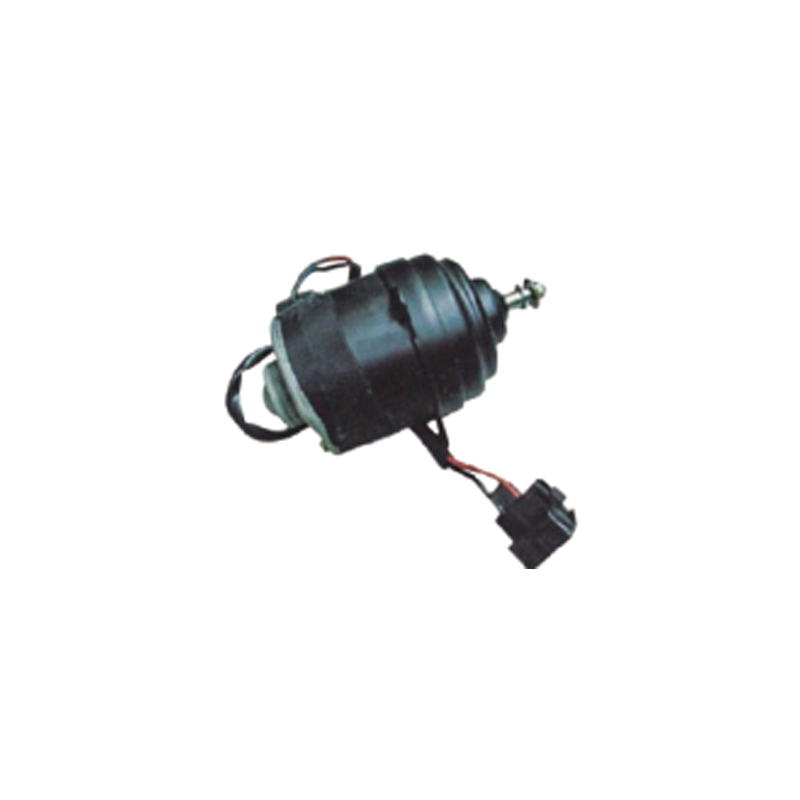
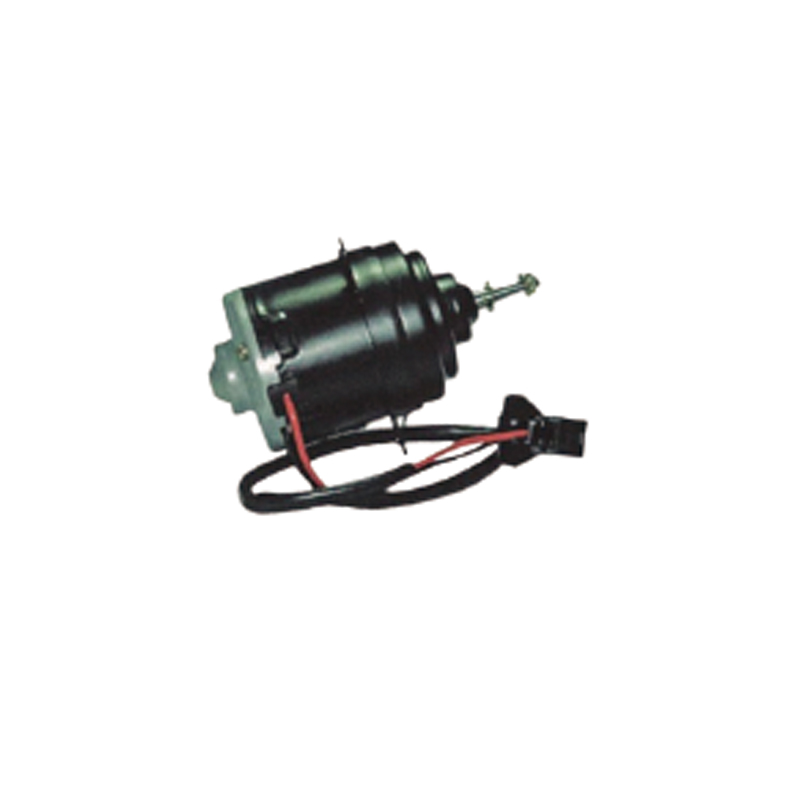
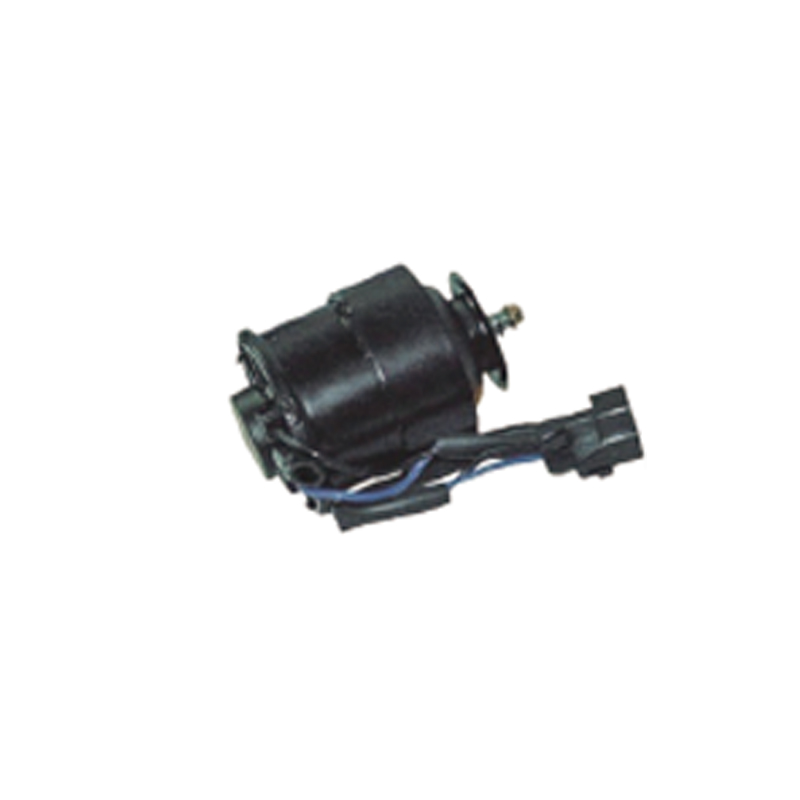
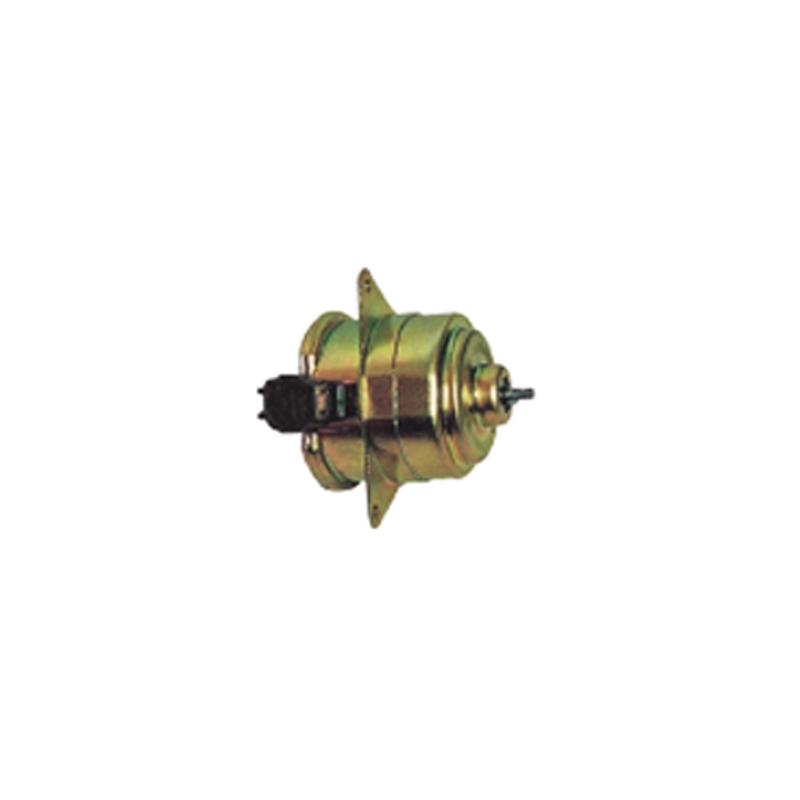
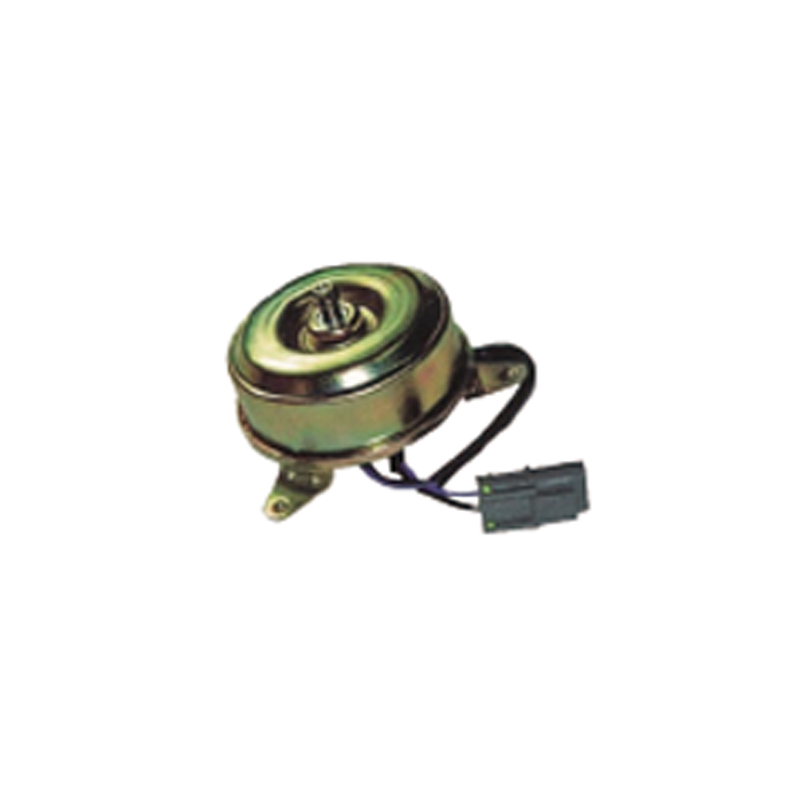
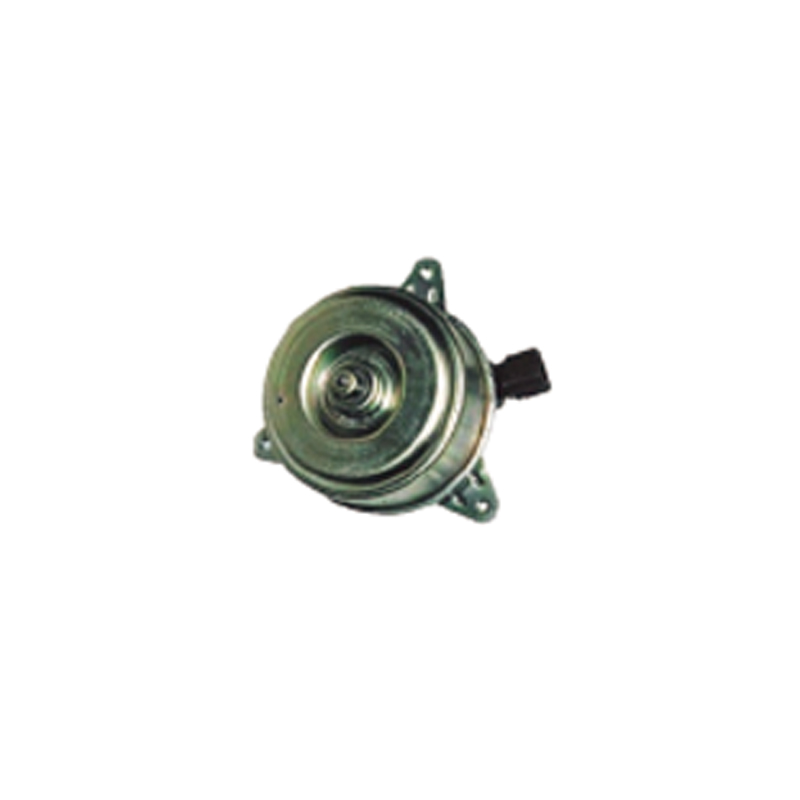
Trabea ad electificationem et densitatem altiorem potestatem redintegravit administrationem scelerisque. Combustiones internae machinae, motores electricae, sarcinae altilium, et potentia electronicarum omnes calorem generant, qui certo dissipari debet. dc autocinetis axialibus fans emerserunt tamquam solutio primaria pro refrigeratione aeris in his ambitibus coacto. Secus legatum AC fans, DC variantes compagem cum vehiculo electrica systemata integrant et accuratam moderabilitatem offerunt.
Hic dux fabrum et procurationem specialium datorum operabilium praebet - a principiis operandis fundamentalibus ad maculosum technicum praeiudicium. Nos focus in architecturas DC iniectis (BLDC) quae moderna dominantur eget refrigerationem propter vetustatem et efficaciam.
Clavis perspectiva: Axialis BLDC typica ventilabrum operatur ad 25,000-40,000 horarum vs. 3,000 horarum causarum generum - differentiator criticus pro EV et applicationes graves officiorum.
Axem ventilabrum movet aerem per axem spiculi impulsoris. Aer parallelus scapo et exitibus in eandem partem intrat, faciens huiusmodi fans speculativas applicationes ad medium pressionis altae, ut infrigidationis radiator et HVAC, faciens.
Vehiculum electrica systemata in se DC sunt (12V vel 24V). Usus a Brushless DC axial fan automotive consilio necessitatem inverters eliminat, pondus minuit, ac celeritatem moderationis PWM dirigere sinit. Motor BLDC loco commutationis electronicarum scopulorum mechanicorum utitur, frictione damna removens et pericula scintillantia.
Architectura Brushless directe alloquitur dolorem puncta enucleatarum traditionalium fans: breves spatium, sonum audibile, et celeritas pauperis expers. Infra directa comparatio est.
| Proprium | Motor Rei | Brushless DC Axial |
|---|---|---|
| Lifespan (horas) | ~3,000 | 25,000-40,000 |
| Efficientia | Baseline | Ad XX% altiorem |
| sonitus gradu | Superiore (spinis friction) | Inferius (commutatio lenis) |
| Celeritas imperium | In / off vel egressus | PWM procax |
| Incurrere current | Grand spica | Satus mollis, tutis |
| Motor size | Bulkier | Foedus |
Commutatio electronic in BLDC motoribus provectis dat similia automotive fan PWM control , quae celeritatem linearem sine thermarum vi resistentium innixarum modis aptat. Hoc maxime valet ad refrigerationem EV altilium, ubi onera thermarum dynamice variantur.
Diligens ventilabrum rectum requirit recognitionem systematicam airflow, electricae, scelerisque, et limites mechanicos.
Minimum CFM valores ab machinali obsessione et onere caloris pendent. Haec sunt generalia scamna pro refrigeratione coacto-aeris cum radiatore puro.
Semper confirmamus utrum CFM rating aestimationem in aere libero an cum nucleo radiatore inaugurato metiri possit. A alta CFM axial fan sub libero aeris condiciones 30-50% cum onusto stillabunt.
VIATOR cars utuntur 12V systemata; vehiculis mercatorum et instrumentorum viarum ad usum 24V. range operandi condiciones transientes vehiculum operire debet. Pro 24V systemata, rogant ut opus spatium 16-32V ad alternatorem laniatus et oneris eri accommodare.
Temperatura ambiens definit materiam delectu et lubricationem afferentem. Typical classes:
Scelerisque derating curva a elit semper peto. An articulatio fan ad EV refrigerationem Instructas circa sarcinas altilium sustineri potest 75°C ambientium, cum loca subtus excedunt 100°C.
L10 vita tempus est (horis) usque ad 10% incolarum data RPM et temperatura deficit. Confer L10 datam cum puncto operativo specifico, non temperato nominali.
An IP68 articulatio fan electronicis obsignatis firmitatem efficit in limo, aspergine, et aqua stans.
Vertitudo brushless dc axiali fans multiplex vehiculi genera et systemata palmorum.
Priusquam ordinem emptionis emittant vel exempla petant, cognoscere haec puncta critica cum tua elit. Hoc album periculum integrationis defectis minuit.
Hoc maculosus utens efficit ut ventilatum electum compatitur cum ambitus reali mundi autocinetivis. Certus DC articulatio fan elit haec notitia sine haesitatione providebit.
Brushless dc autocinetis axialibus autocinetis superiorum longitudinis, efficientiae, et controllabilitatis comparatae ad solutiones traditas reici vel AC liberant. Eorum adoptio directe sustinet scelerisque postulata electrificatorum et summus perficientur potestates.
Cum eligendo ventilabrum, prioritizare verificatur CFM sub onere, temperatura convalidari denuncians, et vitam afferentem probatam. Praebitores exercent qui auxilium machinarum in NPI periodo praebent et interfaces electricas et mechanicas consuetudines accommodare possunt.
Pro accurata inspectione, petitiones exempli, vel Morbi cursus magnae volumine, nostras turmas technicas venditionesque contingere. Applicationem specialium commendationum nobis praebemus et documenta perficiendi data.
Sub normalibus conditionibus operandi (40°C-70°C ambientium, globuli gestus), vita fere L10 vagatur ab 25000 usque ad 40,000 horarum. Ad superiores calores decrescit spatium vitae; semper consule lificationem curvam a fabrica.
VIATOR vehiculis utuntur 12V systematibus; trucks, buses, et armorum viarum extemporalitas utuntur 24V. Elige ex architectura electrica vehiculi tui. Aliquot alitulae dua-voltationes sunt, sed minus communes et saepe minus efficientes.
IP68 est pulvis strictus et munitus contra immersionem longam usque ad 1 metrum. IP6K9K tutelam addit contra pressuram altam, caliditas aqua rumpit — apta ad lavationem machinae gravis. Utrumque in autocinetis adhibitum est, sed IP6K9K rigidius est.
Technicaliter quidem, sed multiplicitatem, sumptus, et potentiale defectum puncta addit. Est efficacius et certius eligere ventilabrum nominatim aestimatum pro intentione systematis tui.
PWM imperium permittit inexplicabilem celeritatem commensurationem, strepitum reducendo in onere partiali et energiae augendo efficientiam. Etiam minimizet scelerisque cyclum accentus in anfractibus motoriis, vitam extendens.
Quisque sit amet nisl. Required agri notata *

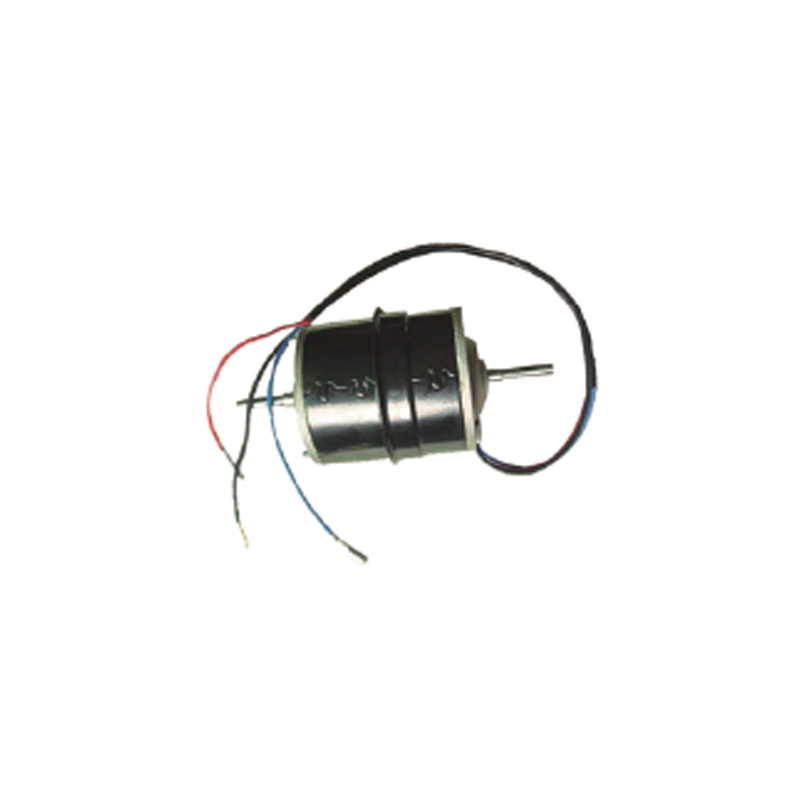
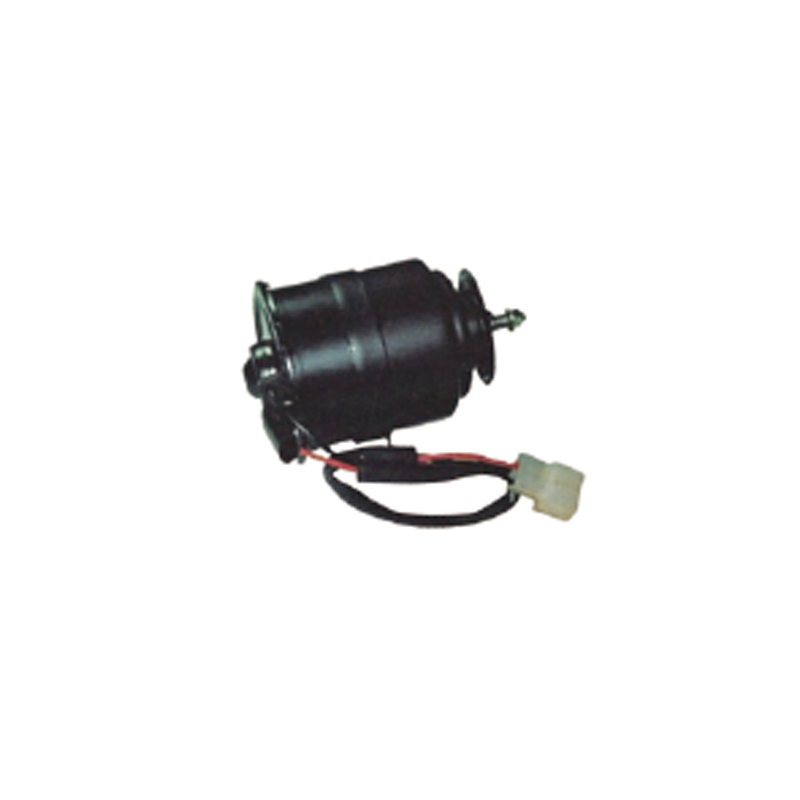
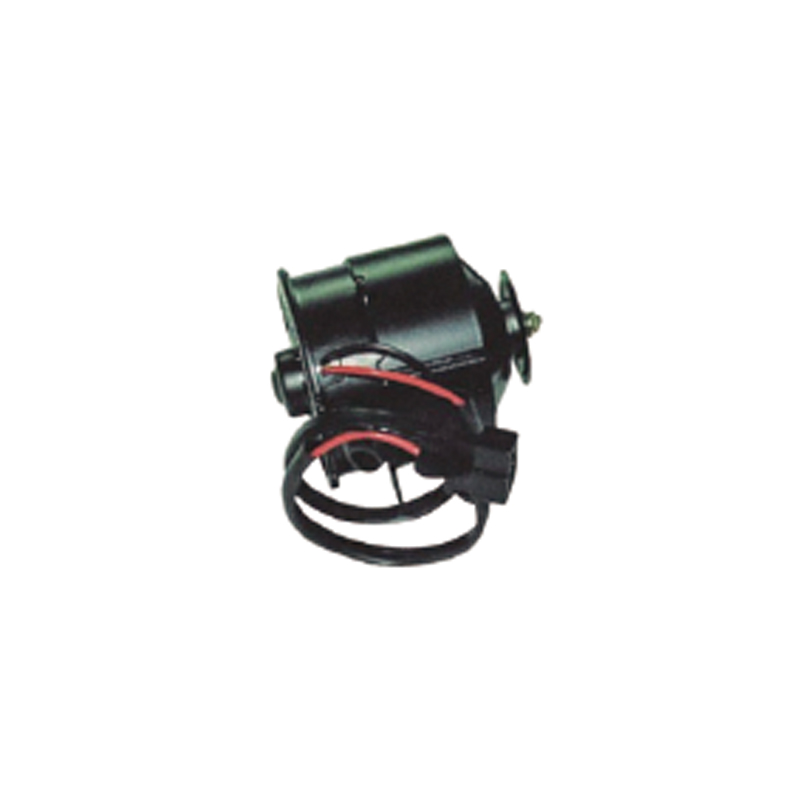
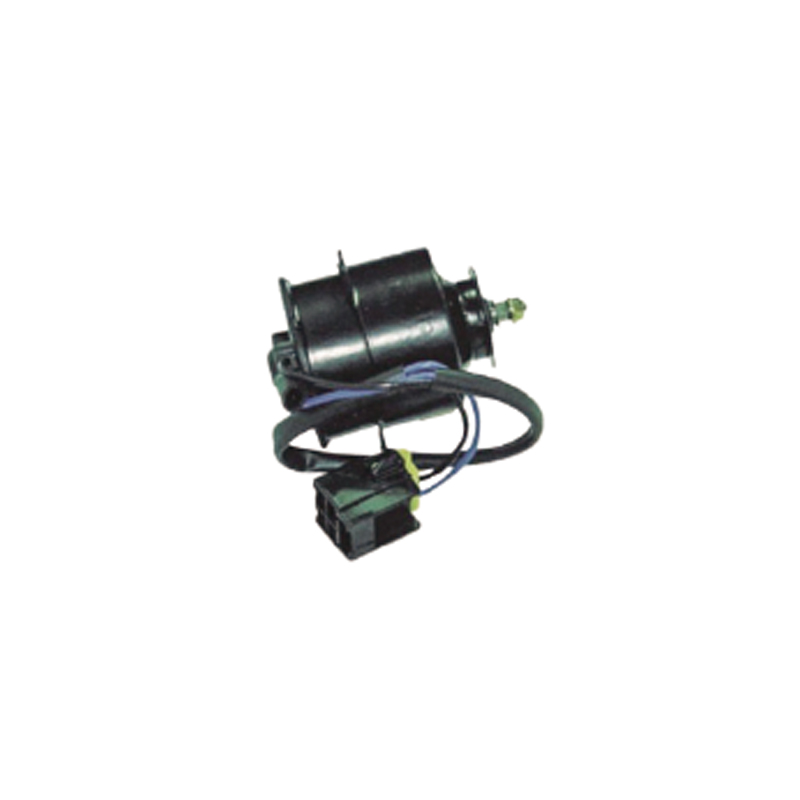
Zhejiang Nicety Machinaria Electrica Co., Ltd. specialitas in productione quattuor seriei productorum: condensor electronic ventilabrum, radiator (stannum aquae) ventilabrum, blower, et aer conditionator conventus. Productio professionalis American, Europae, Iaponica, Coreanica Et domestica notam DC autocinetis axialibus fans.
Email: /
Tel: /
Address: